

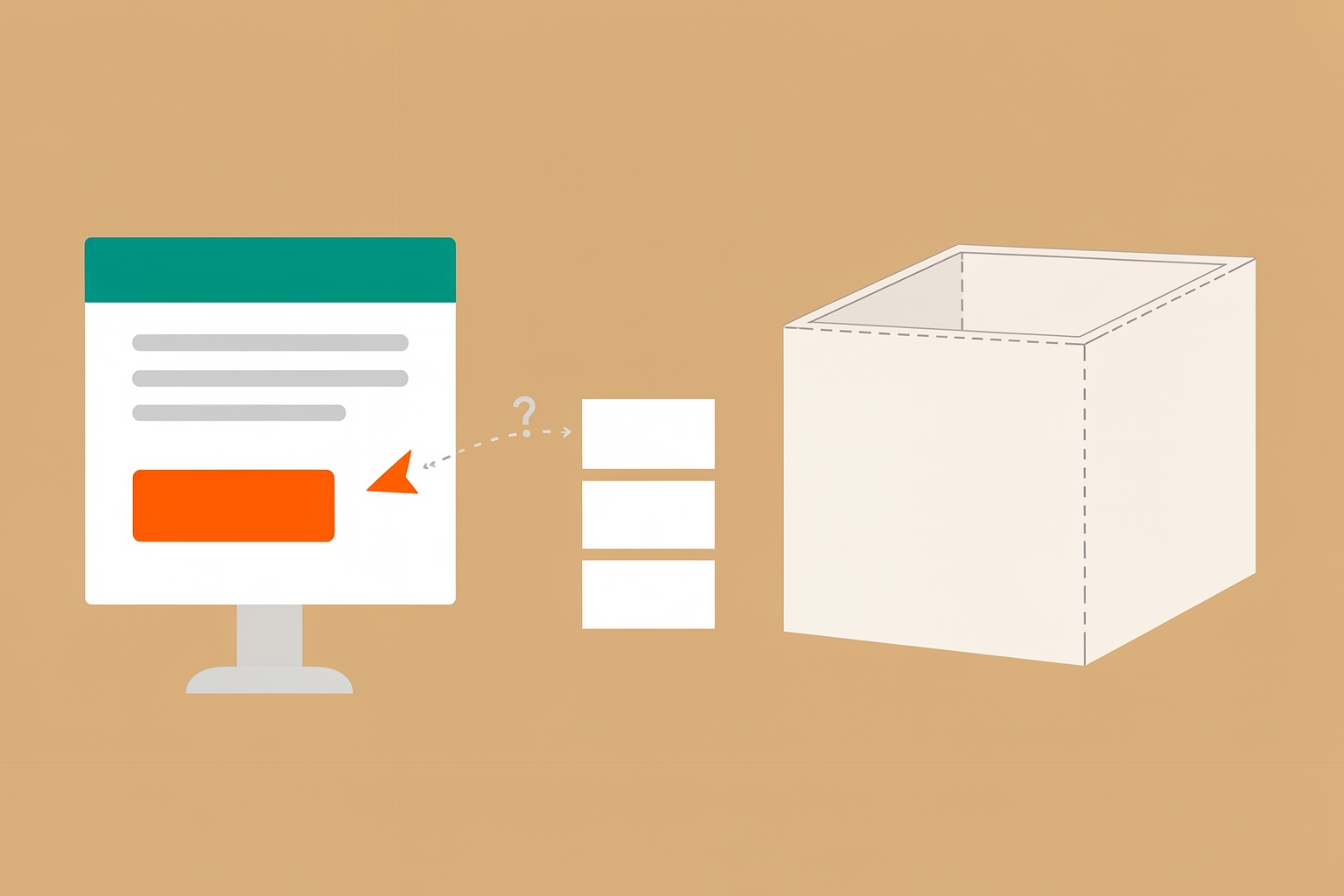
What a landing page before the product is for
You have an idea.
You have not built anything yet.
The question keeps coming up: should you put up a landing page first, or is that just a way to procrastinate on the real work?
The honest answer is that a landing page can be a cheap, useful demand test, but only if you treat the signups it produces as a signal to interpret, not a verdict to celebrate.
This guide walks through what a pre-product landing page can actually prove, what it cannot, and how to run one so the results mean something.
A pre-product landing page is a single page that explains what you plan to offer and asks for one small action, usually joining an early access list.
Stripe's startup guide describes exactly this approach: you do not need a full website yet, just a clean page explaining your offer.
Add a call to action like signing up for early access, so you can start building an email list.
The point is not the page itself.
The point is the information it generates before you spend months building.
A landing page lets you test whether anyone cares about the problem and the promise, at a fraction of the cost of building the product first.
What a signup test can actually prove
When someone gives you their email address for a product that does not exist yet, they are telling you something real.
Here is what that signal can support.
- Interest in the promise. People who read your description of the problem and solution, and still signed up, found the framing compelling enough to trade their attention for it.
- Message resonance. If you test different headlines or descriptions, differences in signup behavior tell you which framing connects. That is useful copy research you would otherwise do after launch.
- A starting audience. An early access list gives you a group of people to talk to when you do build, which Stripe highlights as one of the practical benefits of capturing interest early. Stripe
- Evidence of effort. If you drove traffic with a small paid campaign, click and signup behavior tells you whether strangers, not just friends, respond to the idea.