

Why visible work matters in co-founder search
Building in public means sharing your work as it happens: progress notes, prototypes, lessons learned, even dead ends.
Still looking for a co-founder?
Ask whether that visibility helps you find one.
Or does it lock you into a solo path before the right partner appears?
This guide walks through what building in public actually involves, what it can and cannot do for co-founder search, and how to decide based on your situation.
Finding a co-founder is hard because the decision is high-stakes and the pool of compatible people is small.
Y Combinator compares co-founder matching to dating: do not commit after one conversation.
It recommends a time-boxed trial project with clear expectations before building a company together YC co-founder matching.
That trial-project advice points to something important.
Compatibility is judged through working together, not through profiles alone.
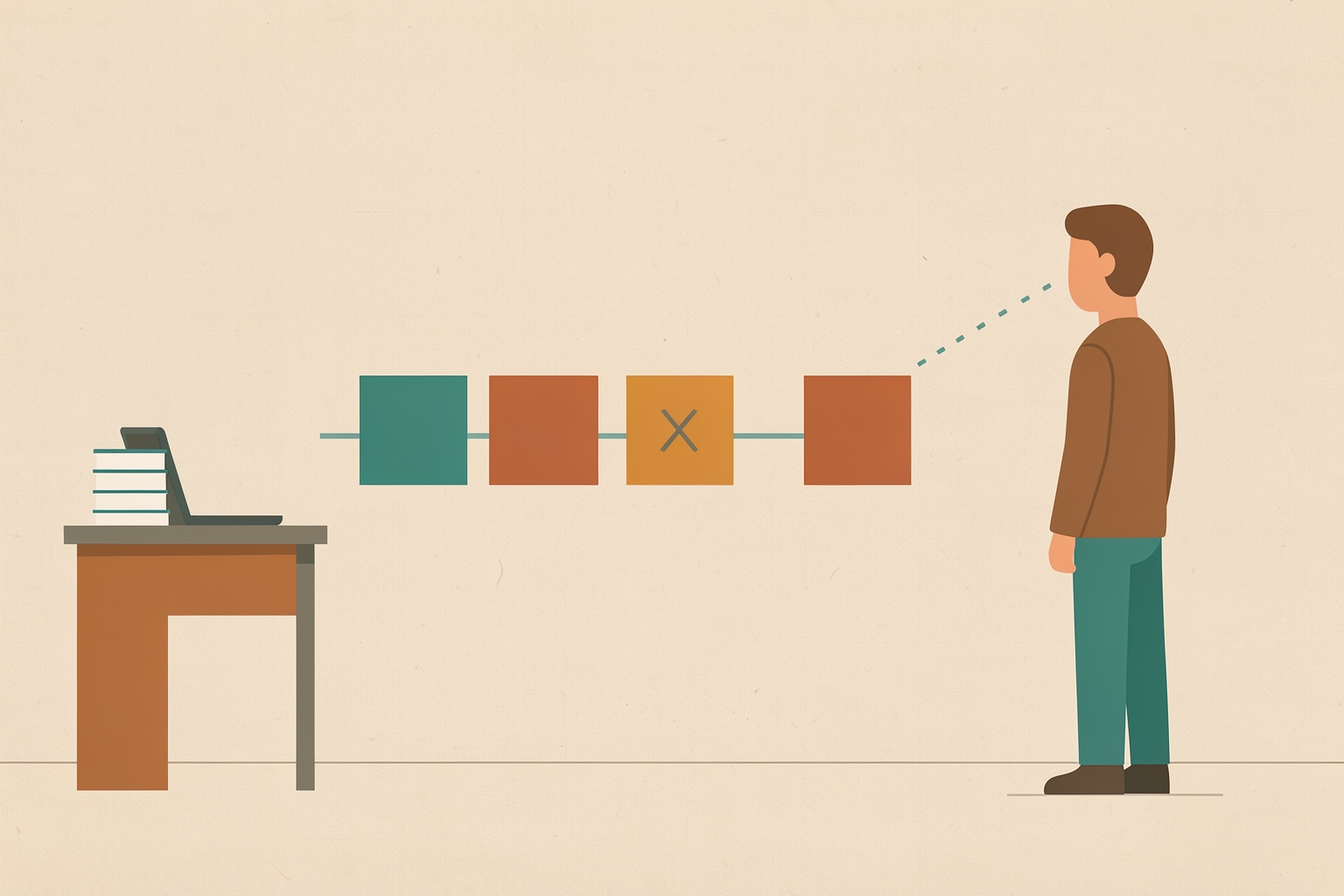
Building in public creates exactly the kind of observable, low-commitment collaboration surface that makes early evaluation possible.
A potential co-founder can watch how you scope work, handle setbacks, and communicate before ever messaging you.
YC also notes that many aspiring founders cite not having a co-founder as a blocker to starting full-time YC co-founder matching.
Visible work is one way to loosen that deadlock: you start making progress solo while staying open to a partner joining later.
What building in public can realistically do
Be honest about the mechanism.
Publishing your work does not guarantee a co-founder will appear.
What it can do:
- Signal seriousness. A consistent public record shows you actually ship, which is more persuasive than a pitch about what you plan to build.
- Attract relevant people. People who find your work are pre-filtered by interest in your problem area, which narrows the compatibility gap.
- Give conversation material. A public build log gives a potential partner something concrete to react to, instead of an abstract idea.
- Test your own commitment. Publishing regularly forces you to keep making decisions, which reveals whether you enjoy the work enough to do it with someone else.