

What crowdfunding actually is
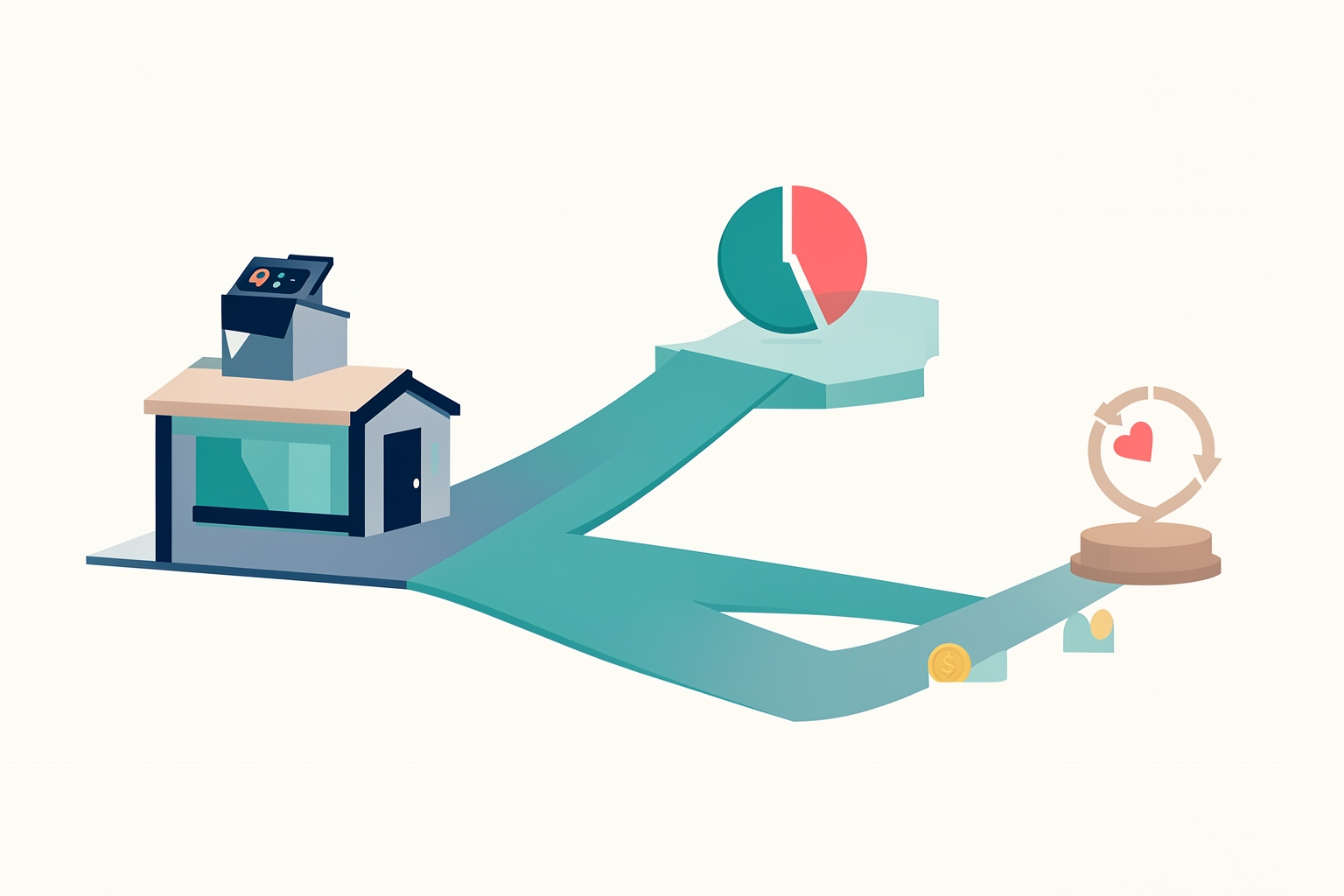
Crowdfunding sounds like one thing, but it is actually four very different deals.
In one, backers pre-order your product.
In another, they buy a slice of your company.
In a third, they give money with no expectation of return, and in the fourth, they lend it and expect it back with interest.
Picking the wrong model can cost you ownership, time or trust, so it is worth deciding deliberately.
This guide walks through the four main types of crowdfunding, what each one asks of you, and how to match a type to your startup's stage and product.
By the end, you should be able to name the model that fits your situation and know what to prepare before you launch.
Crowdfunding raises money from a large pool of individuals, usually through online platforms and social networks.
It replaces a small group of banks or institutional investors.
Contributions can range from very small to very large amounts, depending on the project and what backers get in return.
According to Stripe, the global crowdfunding market was worth over $1.83 billion as of 2025 and is projected to double by 2030.
Kickstarter alone had hosted more than 650,000 projects as of January 2025.
The scale matters less than the structure: you are asking many people to back you, and the type of crowdfunding defines what they get back.
Rewards-based crowdfunding
Backers pledge money in exchange for a product or perk.
A backer might pre-order your first production run, get an early-bird version, or receive a branded item.
Kickstarter and Indiegogo are the platforms most associated with this model.
This fits startups with a tangible product that can be manufactured and shipped.
The tradeoff is operational: once you hit your goal, you owe backers a real deliverable.
Fulfillment is where trust is won or lost, so you need a credible plan to manufacture and ship before you launch.
Equity crowdfunding
Backers become investors who receive shares or a similar stake in your company.
This is closer to traditional fundraising, opened up to a broader pool of smaller investors.